Minimally Invasive Surgery

Minimally Invasive Laparoscopic Gynaecological Surgery

Minimally invasive laparoscopic (“keyhole”) surgery is one of the most significant advancements in modern gynaecology.

By using small incisions, fine surgical instruments and a high-definition camera, laparoscopic surgery allows faster recovery, less pain and quicker return to daily life compared with traditional open surgery. For many women, it also offers the opportunity to treat conditions that previously required large incisions, long hospital stays or extended downtime.

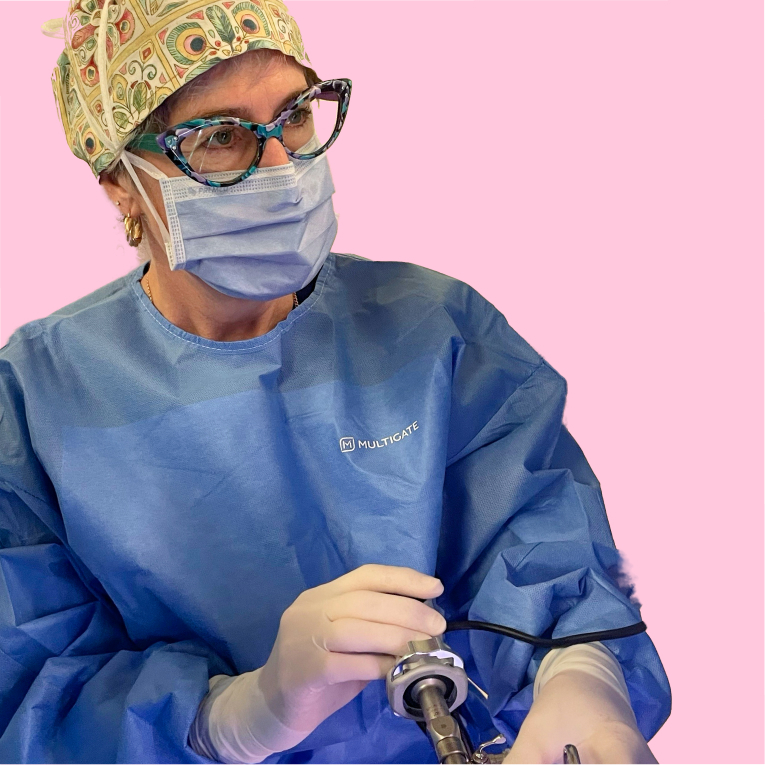
With more than 25+ years of experience as an obstetrician and gynaecologist – and having performed countless complex procedures – Dr Samantha Hargreaves is recognised for her expertise in laparoscopic gynaecological surgery.

Her skills span simple procedures through to highly complex operations involving endometriosis, fibroids, pelvic masses and revision surgery. Women choose her because she combines a surgeon’s technical precision with the warmth, calmness and perspective of a deeply experienced senior clinician.
Why Choose an Experienced Laparoscopic Surgeon?

Better Outcomes Through Experience

Laparoscopic surgery is highly skill-dependent, with surgeons who perform these procedures frequently typically achieve smoother surgeries, fewer complications and better long-term outcomes for their patients. Dr Hargreaves’ decades of experience across both public and private hospitals give her unrivalled depth of expertise.

Advanced Skills in Both Laparoscopic and Open Surgery

While most procedures can be performed laparoscopically, certain complex or revision surgeries occasionally require ‘open’ techniques. Unlike many newer specialists who are trained almost exclusively in laparoscopic approaches, Dr Hargreaves also has extensive open surgical experience, allowing her to manage complex cases safely and comprehensively, and giving patients confidence that their care is never limited by the surgeon’s skill set.

A Supportive, Patient-Centred Approach

Surgery can be a daunting prospect. Patients often describe feeling reassured by Dr Hargreaves’ calm manner, thorough explanations and commitment to making decisions collaboratively. She discusses all treatment pathways, the benefits and risks of surgery, and what to expect during recovery.

Senior Appointments and Surgical Leadership

Her professional roles, including being a Senior Gynaecologist at the Endometriosis & Pelvic Pain Clinic at the Royal Women’s Hospital Melbourne, and Executive Committee Member at the Epworth Freemasons O&G Institute, reflect her standing as a trusted expert in complex gynaecological surgery.

Conditions Commonly Treated with Laparoscopic Surgery

Below are the major conditions managed laparoscopically within Dr Hargreaves’ practice, with patient-friendly explanations of what they involve and how surgery can help.

Overview

  • Endometriosis occurs when tissue similar to the lining of the uterus grows outside it, leading to inflammation, scarring and often debilitating pain. Laparoscopic surgery remains the gold-standard treatment for diagnosis and excision.


Australian Statistics

  • Affects 1 in 9 Australian women.
  • Diagnostic delays commonly range from 6–8 years.


Causes

  • Retrograde menstruation
  • Immune and inflammatory responses
  • Hormonal influences
  • Genetic predisposition


Risks

  • Chronic pelvic pain
  • Painful periods or intercourse
  • Bowel and bladder symptoms
  • Fertility challenges
  • Adhesions


Surgical Treatment Options

  • Laparoscopic excision (preferred over ablation for long-term relief)
  • Removal of adhesions
  • Treatment of endometriomas
  • Restoration of normal anatomy where possible

As a senior clinician in Melbourne’s leading tertiary endometriosis centre, Dr Hargreaves has extensive expertise in both straightforward and complex endometriosis surgery.

Overview

  • Ovarian cysts are common and often harmless, but persistent, painful or complex cysts may require removal.


Causes

  • Functional cysts from ovulation
  • Endometriosis (endometriomas)
  • Dermoid cysts
  • Pathological cysts


Risks

  • Rupture
  • Ovarian torsion
  • Pain
  • Fertility implications depending on the cyst type


Surgical Treatment Options

  • Laparoscopic removal of cyst wall
  • Preservation of healthy ovarian tissue
  • Treatment of associated endometriosis

The minimally invasive approach reduces adhesion formation and preserves fertility where possible.

Overview

  • A salpingectomy removes one or both fallopian tubes, often for sterilisation or treatment of tubal disease. It is a highly effective form of permanent contraception when performed for sterilisation.


Causes Requiring Surgery

  • Elective sterilisation
  • Previous ectopic pregnancy
  • Hydrosalpinx
  • Infection or tubal pathology


Risks

  • Mild post-operative discomfort
  • Rare injury to surrounding structures
  • Minimal long-term complications


Surgical Treatment Options

  • Removal of affected tube(s)
  • Laparoscopic sterilisation using removal rather than clipping, which reduces ectopic risk

Overview

  • This procedure removes the fallopian tube and ovary on one or both sides. It may be required for persistent cysts, ovarian masses or in certain genetic risk conditions.


Causes

  • Complex ovarian cysts
  • Ovarian torsion
  • Suspicion of malignancy
  • Genetic risk reduction (ie: BRCA conditions)

Risks

  • Surgical menopause if both ovaries removed
  • Impacts on fertility


Treatment Approach

  • Laparoscopic removal of tube and ovary
  • Preservation of normal tissue when appropriate
  • Histopathological evaluation

Overview

  • Myomectomy removes uterine fibroids while preserving the uterus, supporting fertility and symptom relief.


Australian Statistics

  • Up to 70% of women develop fibroids.


Causes

  • Hormone-responsive growth
  • Genetic factors


Risks

  • Heavy bleeding
  • Pain
  • Pressure symptoms
  • Fertility effects


Surgical Treatment Options

  • Laparoscopic removal of accessible fibroids
  • Reconstruction of uterine wall
  • Minimally invasive approach reducing adhesions and recovery time

Overview

  • A laparoscopic hysterectomy removes the uterus through small incisions, offering faster recovery than traditional open surgery.


Reasons For Procedure

  • Heavy menstrual bleeding
  • Fibroids
  • Adenomyosis
  • Endometriosis
  • Pelvic pain
  • Precancerous changes


Benefits

  • Less pain
  • Shorter hospital stay
  • Faster return to normal activities
  • Smaller scars

Overview

  • Adhesions are bands of scar tissue that can cause pain, infertility or bowel symptoms.


Causes

  • Previous surgery
  • Endometriosis
  • Infection


Risks

  • Chronic pelvic pain
  • Reduced fertility
  • Bowel obstruction (rare)


Treatment

  • Laparoscopic removal or release of adhesions
  • Restoration of normal pelvic anatomy

Overview

  • Ectopic pregnancy occurs when a pregnancy implants outside the uterus, commonly in the fallopian tube. It is a medical emergency.


Australian Statistics

Occurs in approximately 1–2% of pregnancies.


Causes

  • Previous ectopic pregnancy
  • IVF pregnancies
  • Tubal surgery
  • Pelvic inflammatory disease


Treatment

  • Laparoscopic removal of affected tube or pregnancy tissue
  • Preservation of fertility where possible

Overview

  • Pelvic masses include benign ovarian tumours, endometriomas, cysts, or other structural abnormalities. Careful assessment determines whether surgery is required.


Treatment Options

  • Laparoscopic removal
  • Preservation of reproductive organs where safe and appropriate
  • Referral pathways if concern for malignancy

The Benefits of Choosing Dr Hargreaves for Laparoscopic Surgery

Women choose Dr Hargreaves for surgery because she offers:

  • Decades of surgical experience across complex and revision cases
  • Senior leadership roles in major Melbourne hospitals
  • Expertise in both laparoscopic and open techniques
  • Clear, comprehensive explanations of all options
  • A calm and supportive presence
  • Individualised, evidence-based treatment plans
  • Fast correspondence with GPs, improving continuity of care


Her combination of seniority, surgical precision and warm patient support creates a surgical experience grounded in safety, expertise and trust.