Not every gynaecological concern requires hospital admission or surgery. Many conditions can be assessed, diagnosed and treated directly within the clinic, offering women a convenient, comfortable and efficient pathway to care.
With more than 25+ years of specialist gynaecologist experience, Dr Samantha Hargreaves provides a range of in-rooms procedures designed to give patients rapid answers, early intervention and peace of mind – all delivered with warmth, discretion and evidence-based expertise.
Women often describe feeling reassured in Dr Hargreaves’ care because consultations are never rushed, explanations are clear and they feel genuinely heard. Whether you require colposcopy, contraception advice, treatment of cervical abnormalities or assessment of symptoms such as pain or bleeding, her in-clinic services offer high-quality care in a calm, supportive environment.
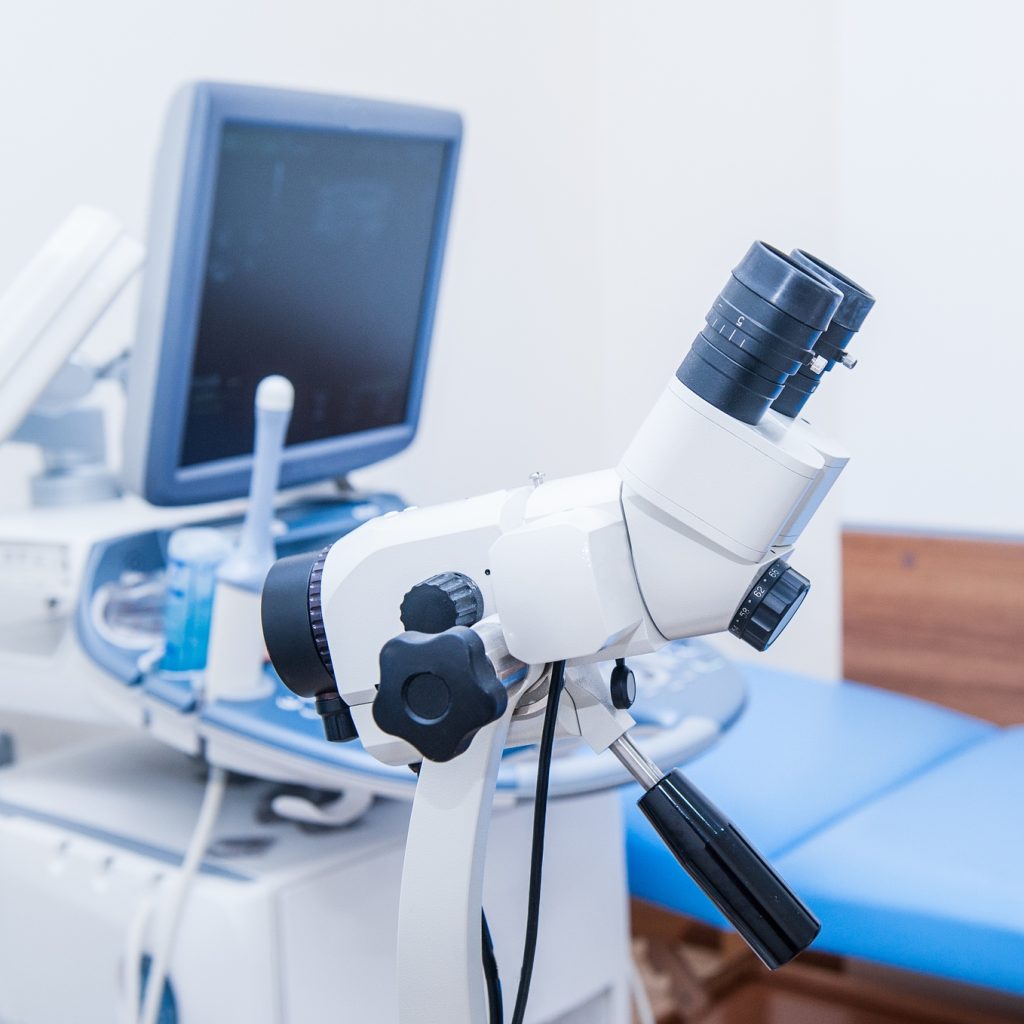

Below are some common conditions often screened or treated within the clinic by Dr Hargreaves.
Overview
A colposcopy is a simple, in-clinic procedure used to closely examine the cervix when a cervical screening test (Pap test) shows abnormal or HPV-related changes. It allows Dr Hargreaves to assess the cervix under magnification and determine whether treatment or monitoring is required.
Australian Statistics
Causes of Cervical Abnormalities
Risks if Untreated
Treatment Options
Depending on the findings, management may include:
As a member of the Australian Society of Colposcopists and Cervical Pathologists (ASCCP), Dr Hargreaves provides high-quality, evidence-based assessment and management of cervical abnormalities.
Choosing contraception is a deeply personal decision influenced by health, age, reproductive plans and preferences. Dr Hargreaves offers individualised contraception counselling, helping women understand each method’s benefits, limitations and suitability.
Overview
Contraceptive options include hormonal and non-hormonal methods. Many forms can be provided or inserted directly within the clinic.
Common Causes for Seeking Contraception
Risks of Not Having Individualised Contraception Advice
Treatment Options Provided In-Clinic
With decades of clinical experience, Dr Hargreaves helps women select the method that best suits their health and life stage – whether they seek reliable contraception, symptom control or both.
Overview
Cervical polyps are common, benign growths on the cervix. They often cause spotting, bleeding after intercourse or irregular bleeding. Visible lesions may also require assessment to rule out infection or precancerous change. These concerns can be assessed and treated in the clinic without the need for hospital admission.
Causes
Australian Statistics
While exact national prevalence data are limited, cervical polyps are frequently detected during routine gynaecological examinations and cervical screening.
Risks if Untreated
Treatment Options
Many women experience immediate resolution of bleeding symptoms after treatment.
Overview
Not all women require surgery or hospital-based investigations. Many common symptoms can be thoroughly assessed within the clinic, guiding diagnosis and ensuring timely treatment.
Symptoms Commonly Assessed In-Rooms
Causes
These symptoms may be related to hormonal imbalance, cervical abnormalities, vaginal infections, ovarian cysts, endometriosis, fibroids or perimenopause.
Risks of Delaying Assessment
In-Clinic Management Options
Dr Hargreaves’ experience allows her to identify the likely cause quickly and discuss tailored treatment pathways with clarity and reassurance.
Women choose to receive in-clinic care from Dr Hargreaves for many reasons:
Dr Samantha Hargreaves’ in-clinic gynaecological services are an integral part of her broader approach to women’s health – combining senior clinical judgement, advanced surgical expertise and genuine compassion.
Whether you require colposcopy, contraception, treatment of cervical abnormalities or help understanding symptoms such as pain or bleeding, her goal is to provide clarity, comfort and a clear path forward.